Modules
Showing 1–30 of 466 results


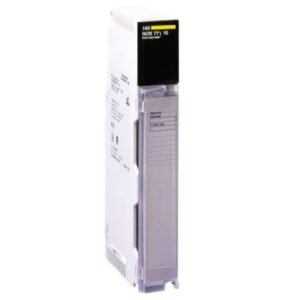
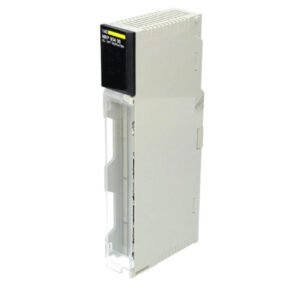
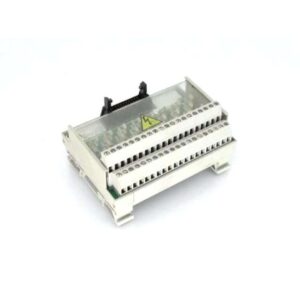
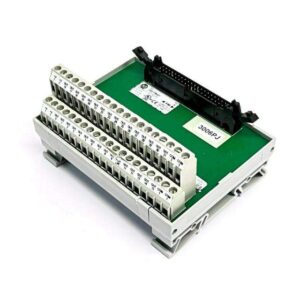
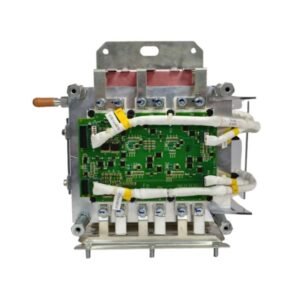
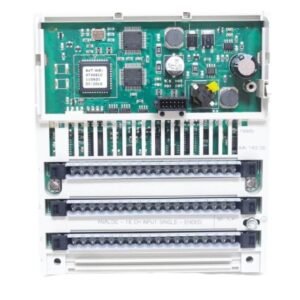
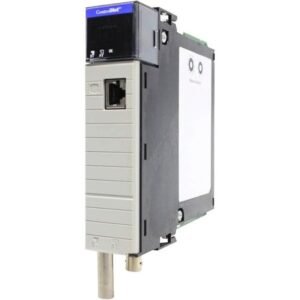

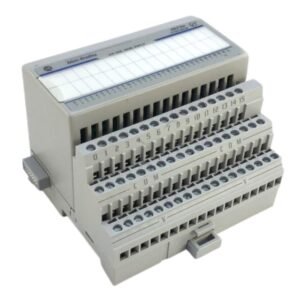
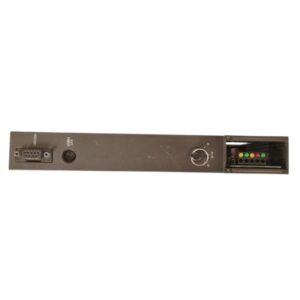
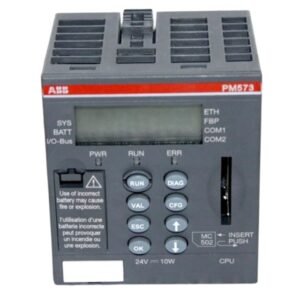
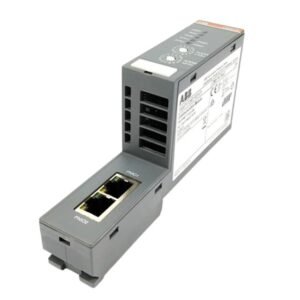
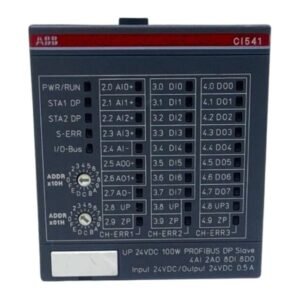
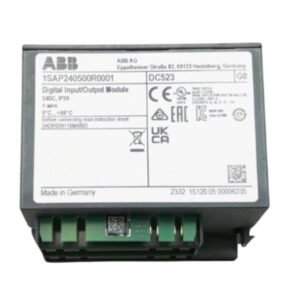
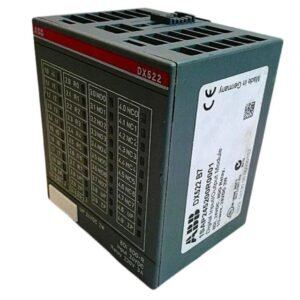
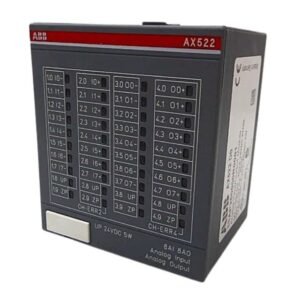
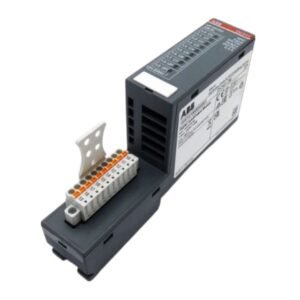
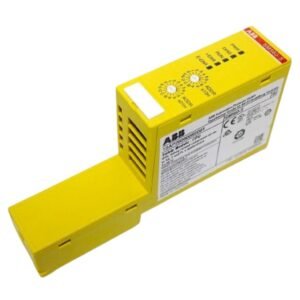
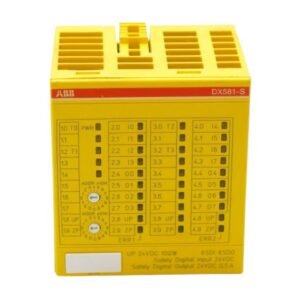
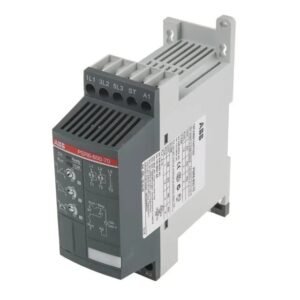
Modules
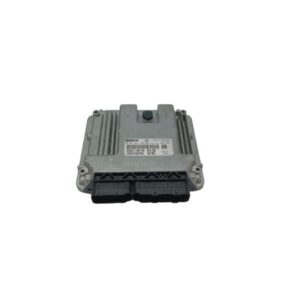
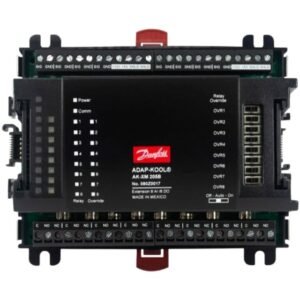
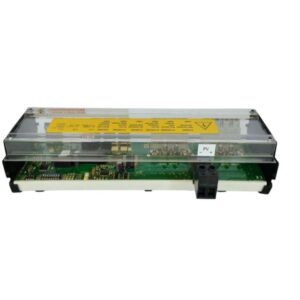
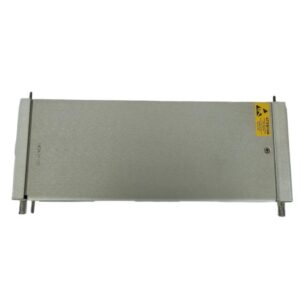
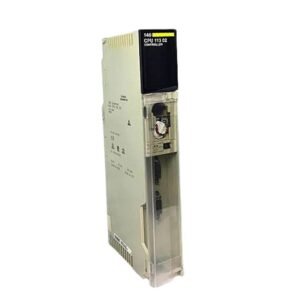
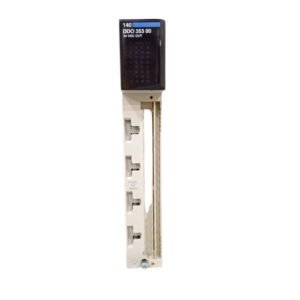
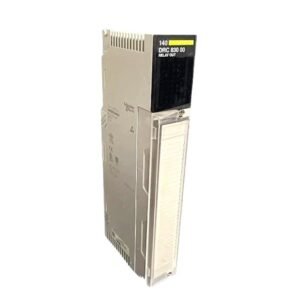
Industrial automation modules are components that perform specific functions within control and automation systems. Depending on the system, a module can handle input and output signals, communication, signal processing, power functions, or other dedicated tasks.
Adatronix offers a range of modules for industrial automation, equipment maintenance, system upgrades, and replacement requirements. Since modules can differ in their functions, electrical specifications, communication options, and system compatibility, selecting the correct model is important for reliable operation.
Where Are Modules Used?
Automation modules connect different parts of a control system and support specific equipment functions. Common applications include:
- PLC and Control Systems: Add inputs, outputs, communication functions, or other capabilities to programmable control systems.
- Industrial Machinery: Connect sensors, actuators, motors, and other electrical components to the control system.
- Process Automation: Handle field signals, measurements, communication, and control functions within automated processes.
- Motor and Drive Systems: Support communication, feedback, interface, and control functions for motor and drive applications.
- Equipment Maintenance: Provide replacement components for existing automation systems and help maintain established equipment.
- Control Networks: Support communication and information exchange between controllers, field devices, and other system components.
How to Select the Right Module
Before selecting a module, compare its function and specifications with the requirements of the existing automation system.
1. Identify the Module Function
Determine whether the system requires an input, output, communication, interface, power, or specialized module.
2. Check System Compatibility
Confirm that the module belongs to the correct automation platform, controller family, or equipment series.
3. Review I/O Requirements
For I/O modules, check the number and type of channels required for the connected field devices.
4. Check Electrical Specifications
Compare the required voltage, current, signal type, and other electrical ratings with the existing system.
5. Verify Communication Requirements
Check the communication interface and supported protocol when the module needs to exchange information with controllers, devices, or industrial networks.
6. Check Mounting and Dimensions
Make sure the module fits the available installation space and matches the mounting arrangement of the existing system.
7. Compare the Original Part Number
For replacement applications, use the original part number as an important reference and compare it with the specifications of the replacement module.
Module Specifications to Check
| Specification | What to Check |
|---|---|
| Module Function | Identifies whether the module handles input, output, communication, interface, power, or another function. |
| I/O Channels | Indicates the number and type of channels supported by the module. |
| Signal Type | Identifies the digital, analog, or other signals supported by the module. |
| Voltage Rating | Confirms the operating voltage required by the module. |
| Current Rating | Indicates the supported current range. |
| Communication Interface | Shows the network or device connections supported by the module. |
| Mounting Type | Helps confirm the correct installation method and system arrangement. |
| Dimensions | Helps determine whether the module fits the available installation space. |
| Operating Conditions | Provides information about temperature and other environmental requirements. |
Frequently Asked Questions
What are industrial automation modules?
Industrial automation modules are components that perform specific functions within control systems, including I/O handling, communication, signal processing, interfaces, and power-related functions.
What are I/O modules used for?
I/O modules connect field devices with controllers by receiving input signals or sending output signals to connected equipment.
How do I choose the right automation module?
Identify the required function first. Then compare system compatibility, I/O requirements, electrical ratings, communication interfaces, mounting details, and physical dimensions.
Can an automation module be replaced?
A module can be replaced when a compatible option meets the technical and system requirements of the existing installation. Compare the original part number and specifications before selecting a replacement.
Why choose Adatronix for automation modules?
Adatronix offers modules for industrial automation, equipment maintenance, system upgrades, and replacement applications. You can compare available products and specifications to find a module that matches your existing system requirements.
Find the Right Modules
Browse the available products to find a part number that matches your existing equipment and system requirements.