Transducers
Showing all 13 results


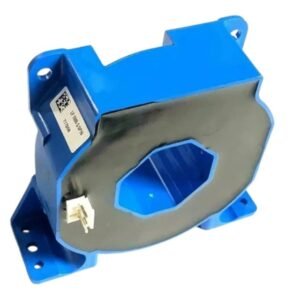

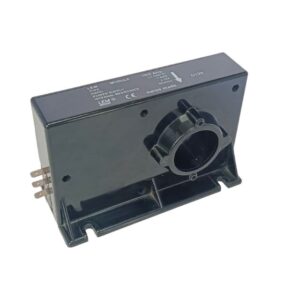
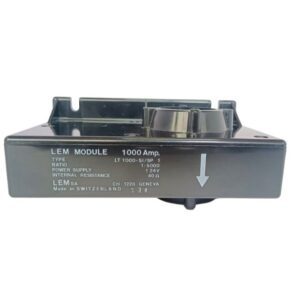
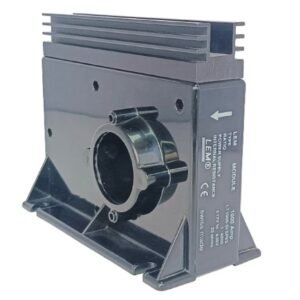
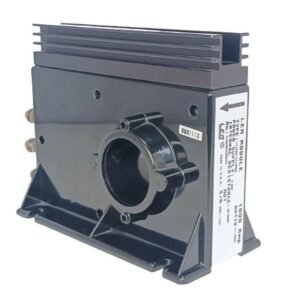
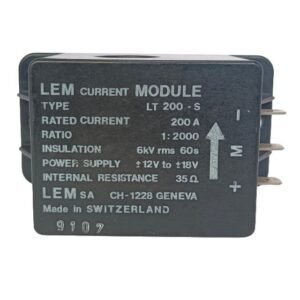
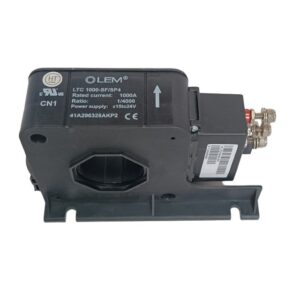
Transducers
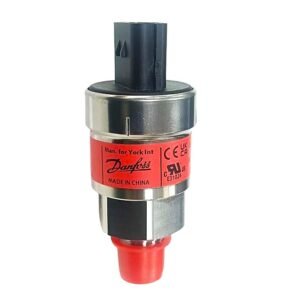
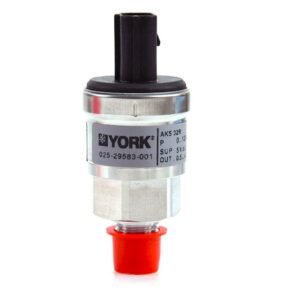
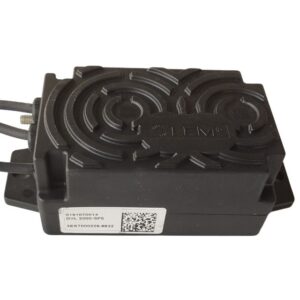
Transducers are used in measurement and control systems to convert physical or electrical conditions into signals that can be monitored, processed, or used by other equipment. They are commonly used in industrial automation, instrumentation, process control, and equipment monitoring. Adatronix provides transducer options for applications involving current, pressure, and other measurement requirements.
Explore Transducer Types
| Transducer Type | Typical Application |
|---|---|
| Current Transducers | Measuring electrical current levels |
| Displacement Transducers | Measuring changes in position and travel |
| Flow Transducers | Tracking flow through fluid and gas systems |
| Inductive Transducers | Detecting movement or changes using inductive principles |
| Oscillator Transducers | Supporting signal generation and measurement applications |
| Pressure Transducers | Converting pressure conditions into electrical signals |
| Temperature Transducers | Measuring temperature variations as electrical signals |
Where Are Transducers Used?
Transducers support various measurement and control functions across industrial and electronic systems, including:
- Process Monitoring: Tracking pressure and other operating conditions.
- Electrical Measurement: Monitoring current in electrical and automation equipment.
- Industrial Automation: Providing measurement signals to control systems.
- Equipment Monitoring: Detecting changes in equipment operating conditions.
- Instrumentation: Converting measured conditions into signals for monitoring and processing.
- Maintenance Applications: Supporting replacement of measurement components in existing systems.
How to Choose the Right Transducer
Selecting the right transducer depends on the measurement requirement, system compatibility, and operating environment. Consider the following points:
1. Measurement Type
Identify whether the application involves current, pressure, temperature, flow, displacement, or another parameter.
2. Measurement Range
Check that the transducer can handle the expected operating range.
3. Signal Type
Check that the signal matches the connected equipment.
4. Accuracy
Consider the measurement precision required for the application.
5. Response Time
Check how quickly the transducer needs to respond to changing conditions.
6. Installation Requirements
Verify the mounting arrangement, available space, and connection type.
7. Operating Environment
Consider temperature, vibration, moisture, dust, and other surrounding conditions.
Why Choose Adatronix?
Adatronix provides transducer options for industrial measurement, automation, instrumentation, process monitoring, and equipment applications. You can explore available transducer categories and compare technical specifications based on your system requirements.
For replacement applications, compare the existing transducer’s input range, output signal, connections, dimensions, mounting arrangement, and operating conditions before selecting a suitable replacement.
Frequently Asked Questions
What does a transducer do?
A transducer converts a physical or electrical quantity into a signal that can be measured, monitored, or processed by another system.
What are common types of transducers?
Common types include current, pressure, temperature, flow, displacement, and inductive transducers. The appropriate type depends on the parameter being measured.
Which transducer should I choose for my application?
Start by identifying what you need to measure, such as current, pressure, temperature, flow, or position. Then compare the measurement range, output signal, accuracy, connections, and environmental requirements with your system.
Are transducers used in industrial automation?
Yes. Transducers can provide measurement signals used by controllers, monitoring equipment, instrumentation, and other automation systems.
What should I check when replacing a transducer?
Compare the manufacturer, part number, measurement range, output signal, connections, dimensions, mounting requirements, and operating conditions with the existing transducer.
Find the Right Transducer with Adatronix
Looking for a specific transducer or replacement component? Browse the available products above or contact Adatronix with your part number or requirements.