
Relays
Showing 1–30 of 227 results


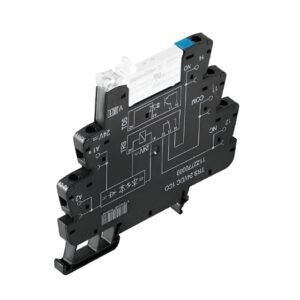

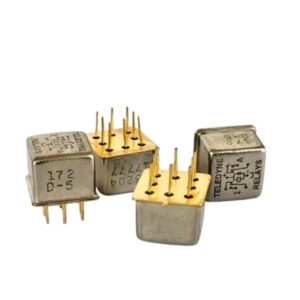
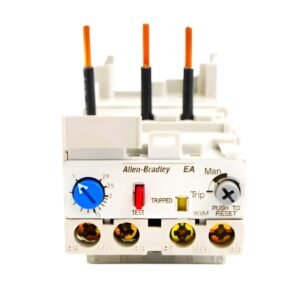
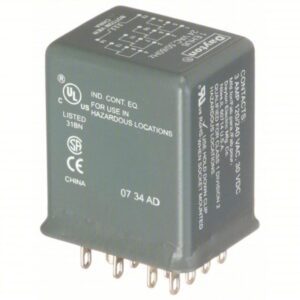
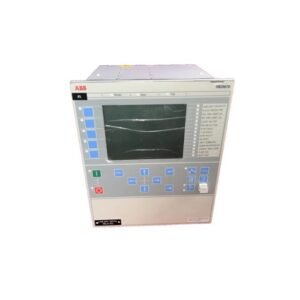
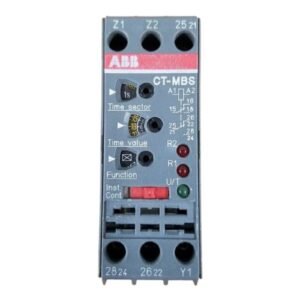
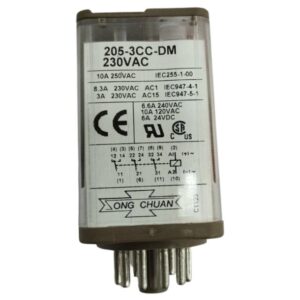
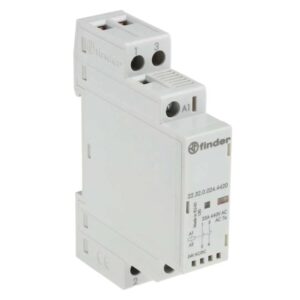
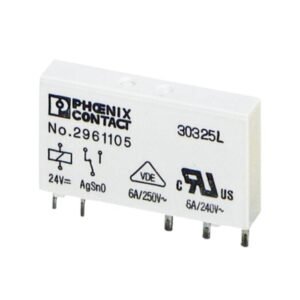
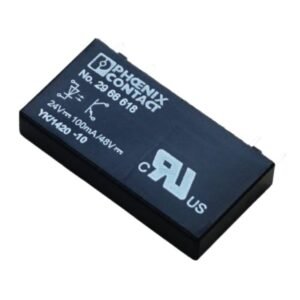
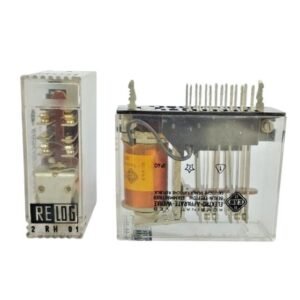


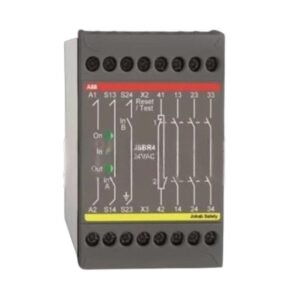
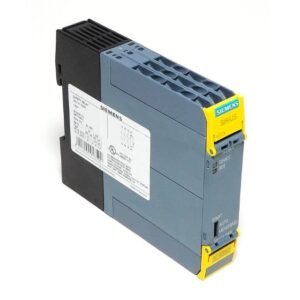
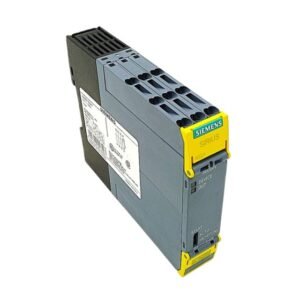
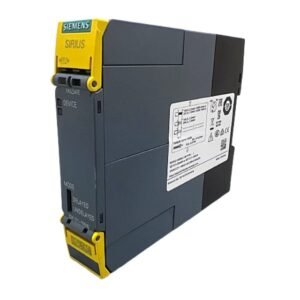
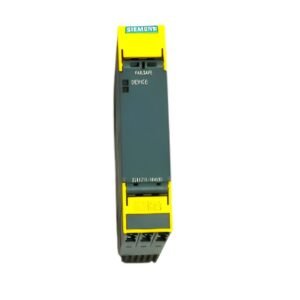
Relays
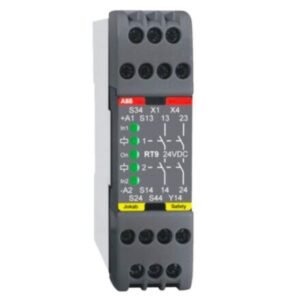
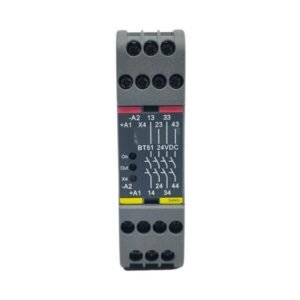
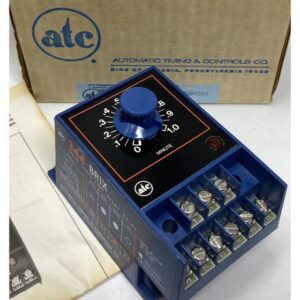
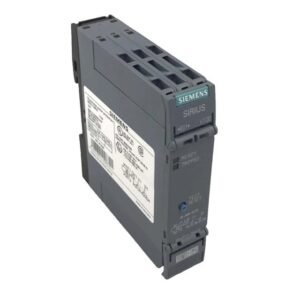
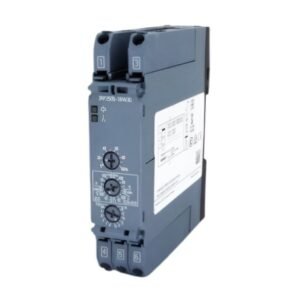
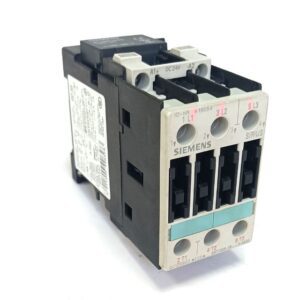
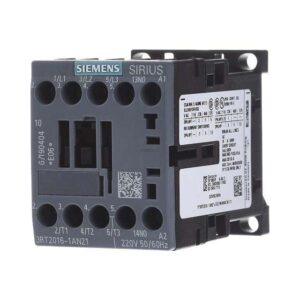
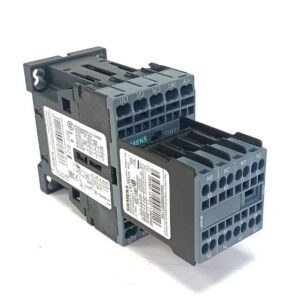
Relays are switching and control components used to operate electrical circuits and control equipment. They allow a control signal to operate another circuit and are available for applications involving switching, monitoring, timing, protection, and electrical control. Adatronix offers a range of relay types for industrial automation, electrical control, machinery, and equipment maintenance applications.
Explore Relay Types
| Types of Relays | Common Application |
|---|---|
| Current & Voltage Relays | Monitoring current and voltage levels in electrical systems |
| Electromagnetic Relays | General electrical switching and control |
| Frequency Relays | Monitoring frequency-related conditions |
| General Purpose Relays | Switching and control in various systems |
| Power Factor Relays | Power factor monitoring and control |
| Safety Relays | Safety-related machine control circuits |
| Sequence Relays | Controlling operations according to a predetermined order |
| Solid State Relays | Electronic switching without mechanical contacts |
| Temperature Relays | Switching based on temperature conditions |
| Thermal Relays | Protection and thermal monitoring |
| Time Relays | Controlling switching based on preset time intervals |
Where Are Relays Used?
Relays are used in a variety of electrical, automation, and control applications, including:
- Industrial Automation: Switching signals between controllers, sensors, and field devices.
- Motor Control: Supporting motor starting, stopping, protection, and control functions.
- Machine Safety: Used in safety-related control circuits and emergency-stop systems.
- Power Systems: Monitoring electrical conditions and controlling connected circuits.
- Control Panels: Switching between control signals and connected loads.
- Equipment Maintenance: Replacing damaged, worn, obsolete, or discontinued relay components.
How to Choose the Right Relay
Selecting a relay requires checking its electrical, mechanical, and operating requirements. Consider the following points before choosing a component:
1. Voltage Requirement
Make sure the relay matches the voltage supplied by the control circuit.
2. Contact Rating
Check the maximum voltage and current that the relay contacts can safely handle.
3. Contact Configuration
Confirm whether the application requires NO, NC, SPDT, DPDT, or another contact arrangement.
4. Switching Requirements
Consider the type of load, switching frequency, and operating conditions involved.
5. Switching Capacity and Response Time
Verify that the relay can handle the connected load and provide the response speed required by the application.
6. Mounting Type
Check whether the relay is suitable for PCB, panel, socket, or another mounting arrangement.
7. Operating Environment
Consider temperature, vibration, electrical load, and other conditions surrounding the equipment.
8. System Compatibility
Compare the relay’s specifications, dimensions, mounting arrangement, and control requirements with the existing equipment before replacement.
Why Choose Adatronix?
Adatronix provides access to multiple relay categories for different industrial and electrical control requirements. You can explore relay types based on their intended function and compare available product specifications when looking for a replacement or suitable component.
Whether you need a relay for industrial automation, control panels, machine safety, motor systems, monitoring, or equipment maintenance, reviewing the electrical and mechanical specifications can help you identify an appropriate option for your application.
Frequently Asked Questions
What is a relay used for?
A relay is used to control one electrical circuit through a separate control signal. Depending on its design, it can provide switching, monitoring, timing, isolation, or protection functions.
What are the main types of relays?
Common relay types include electromagnetic, solid state, safety, time, thermal, frequency, current, voltage, temperature, and power factor relays.
What should I verify when replacing a relay?
Compare the coil or input voltage, contact rating, contact configuration, switching capacity, mounting arrangement, dimensions, and operating requirements with the existing relay.
How are electromagnetic relays different from solid state relays?
Electromagnetic relays use mechanical contacts to switch a circuit, while solid state relays use electronic components and do not have mechanical switching contacts.
How do I identify the correct replacement relay?
Check the part number, manufacturer information, electrical ratings, contact arrangement, mounting type, dimensions, and other specifications of the existing relay before selecting a replacement.
Find the Right Relay with Adatronix
Looking for a specific relay? Browse the products above or contact Adatronix with your part number or requirements.